

A hidden car tracker is a GPS vehicle tracking device installed in a concealed location to monitor a vehicle’s position, deter theft, and satisfy insurance requirements. The term “hidden” refers to placement out of plain sight, though the industry standard term is a hardwired or covert GPS tracker. Getting the installation right matters far more than most car owners realise. A poorly placed or incorrectly wired unit can drop signal, drain your battery, or fail to report ignition events accurately. This guide covers the essential hidden car tracker installation tips, from tools and wiring to optimal placement, testing, and legal compliance.
What tools do you need for installing hidden car trackers?
Preparation determines whether your installation takes 30 minutes or three frustrating hours. Gather every item before you touch the vehicle.
Wiring and electrical tools:
- A multimeter or test light to identify constant 12V, ignition-switched 12V, and ground wires
- Add-a-circuit fuse taps to connect to the fuse box without cutting original wiring
- Wire strippers, crimpers, and heat-shrink connectors for secure, weatherproof joins
- Spare fuses rated to match your tracker’s current draw
Mounting and trim tools:
- Plastic trim removal tools to avoid scratching panels
- Double-sided automotive tape and zip ties for securing the unit
- A small torch and telescoping mirror for inspecting tight spaces
Safety and documentation:
- Safety gloves and eye protection
- A smartphone with the tracker’s companion app installed and activated
- A camera or phone to photograph wiring before closing panels
Disconnecting the negative battery terminal before any wiring work prevents electrical shorts and protects both the vehicle and the device. This single step is skipped more often than any other, and it causes the majority of blown fuses during DIY installs.
Pro Tip: Charge magnetic trackers fully and activate the app account before the installation day. Discovering a flat battery or an unregistered device mid-install wastes time and risks leaving panels partially disassembled.
How to install a hardwired hidden car tracker step by step
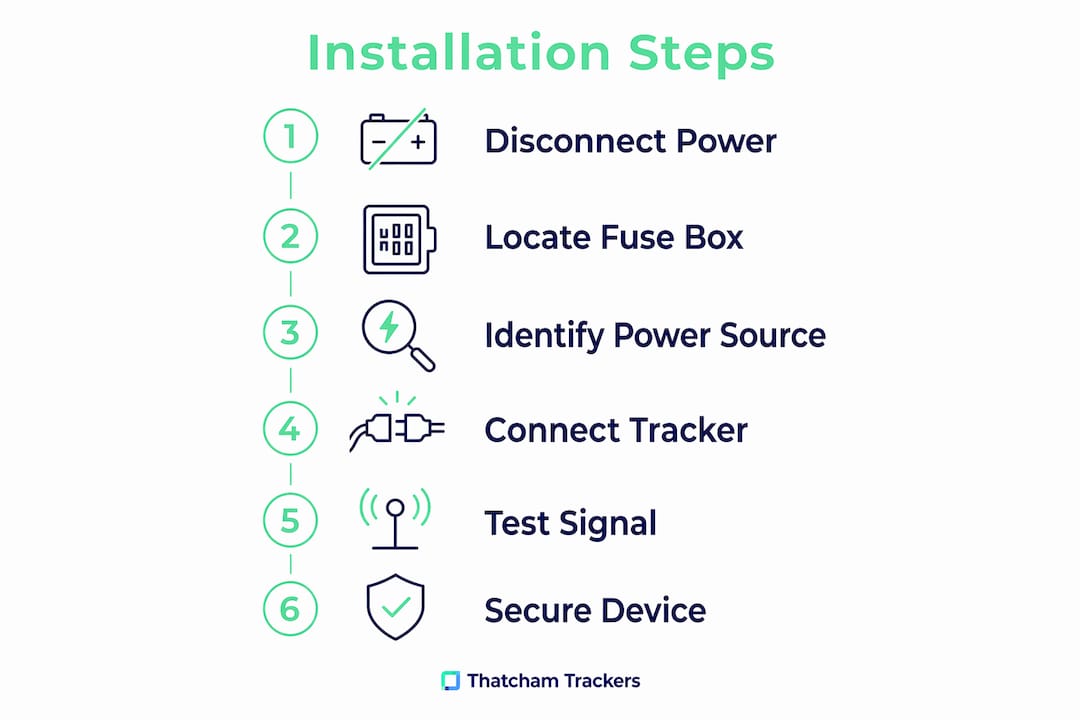
Hardwired GPS trackers are the most tamper-resistant and fully concealed option when installed correctly. The process requires three wire connections and typically takes 20 to 40 minutes with the right tools.
-
Disconnect the negative battery terminal. Work with the ignition off and the battery disconnected throughout the wiring phase.
-
Locate your power source. Use a multimeter to probe fuse box terminals. You need a constant 12V feed (live at all times) and an ignition-switched 12V feed (live only when the key is on). Label both with tape before proceeding.
-
Install add-a-circuit fuse taps. Slot the fuse taps into the identified fuse positions. Using fuse taps and heat-shrink connectors gives you a secure, reversible connection without cutting any original wiring. Rate the replacement fuse to match the tracker’s specification, typically 1A to 3A.
-
Connect the ground wire. Run the ground wire to a bare metal chassis bolt. Avoid painted surfaces and plastic brackets. A poor ground is the single most common cause of intermittent tracker faults.
-
Choose your mounting location. Before fixing the unit permanently, hold it in the intended position and check the tracking app for GPS signal. The antenna needs non-metallic clearance toward the sky.
-
Mount the tracker. Use double-sided automotive tape or the supplied bracket. Avoid locations near the exhaust, engine heat, or thick steel beams.
-
Tidy the wiring. Bundle cables with zip ties and route them away from moving parts. Vibration is the leading cause of connector failures, and tidy harnesses reduce this risk significantly.
-
Reinstall trim panels. Work carefully to avoid pinching wires. Reconnect the battery and check the tracker’s LED indicator for a powered status.
| Step | Action | Common mistake to avoid |
|---|---|---|
| Power identification | Use multimeter on fuse box | Guessing wires by colour alone |
| Fuse tap installation | Match fuse rating to tracker spec | Oversized fuse bypassing protection |
| Ground connection | Bare metal chassis bolt | Grounding to painted surface |
| Mounting | Confirm GPS signal before fixing | Sealing behind metal without testing |
| Wiring tidy | Zip ties and heat-shrink joins | Loose cables near moving trim clips |
Pro Tip: Take a photograph of every wire connection before closing any panel. These photos are useful for insurance documentation and save significant time if you ever need to service the unit.
What are the best hidden tracker placements for GPS signal quality?
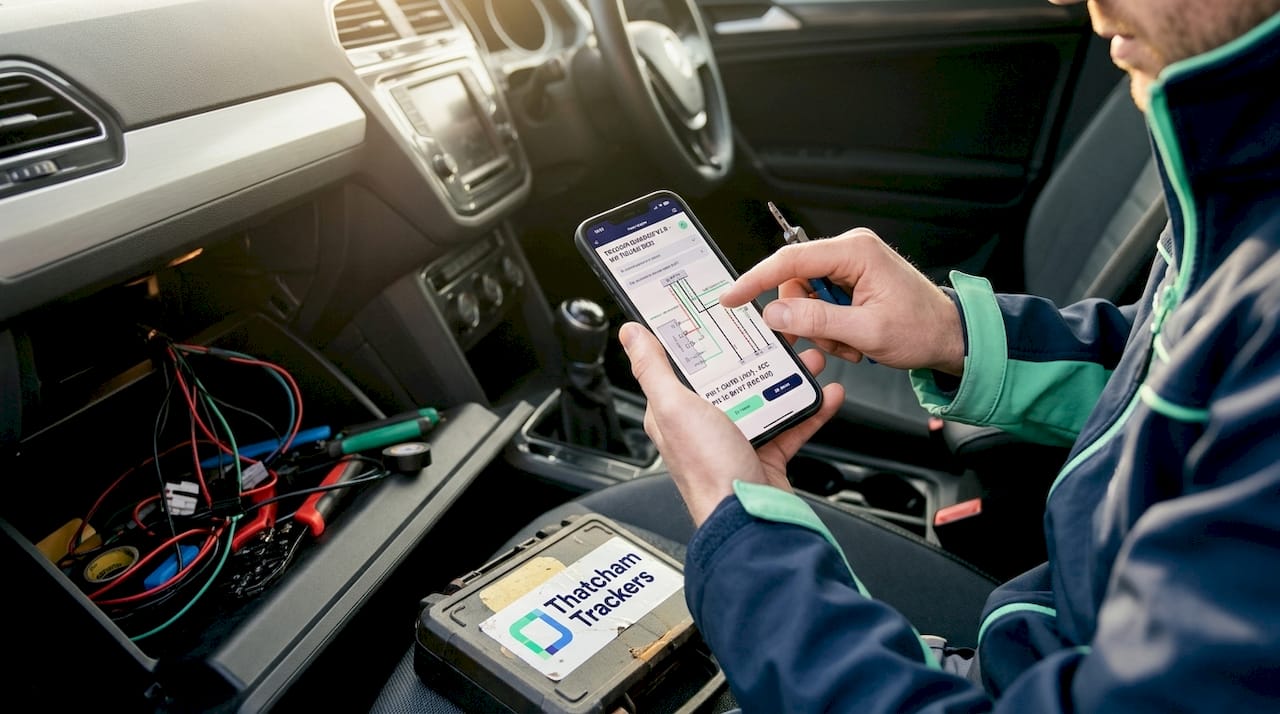
Placement is where most common car tracker pitfalls originate. The physics are straightforward: GPS signals pass through glass and plastic but are blocked or severely weakened by metal. Every placement decision follows from that fact.
Strong interior locations:
- Upper dashboard area beneath plastic trim, positioned facing upward
- Inside the A-pillar trim, where the unit has a clear angle toward the windscreen
- The rear parcel shelf under the plastic cover, away from the metal boot floor
Strong exterior locations:
- Behind plastic front or rear bumpers, attached to a plastic or fibreglass support
- Inside wheel arch liners, provided the unit is sealed against moisture
- Along plastic sill covers on vehicles with composite body panels
Locations to avoid:
- Inside metal door cavities or steel sill sections
- Near the exhaust or catalytic converter due to heat damage risk
- Directly behind thick steel A-pillars or B-pillars with no glass proximity
The consequences of poor placement are measurable. A tracker mounted inside a metal enclosure can take several minutes to acquire a satellite lock, report inaccurate positions, or drop signal entirely in urban areas. At least part of the GPS antenna must have non-metallic upward clearance for reliable reception. Test signal strength with the app before committing to any location.
| Location | Signal quality | Concealment level |
|---|---|---|
| Upper dashboard under plastic trim | Excellent | High |
| A-pillar interior | Good | High |
| Behind plastic bumper | Good | Very high |
| Inside metal door cavity | Poor | Very high |
| Rear parcel shelf | Excellent | Medium |
How do OBD-II, magnetic, and hardwired trackers compare?
The right tracker type depends on your priorities: speed of installation, level of concealment, and tamper resistance.
OBD-II plug-in trackers install in under five minutes with no wiring required. You simply insert the device into the OBD-II port, typically located beneath the steering column. The drawback is visibility. Any experienced car thief or mechanic knows exactly where to look, and the device can be unplugged in seconds. OBD-II units suit fleet managers or owners who prioritise convenience over covert operation.
Magnetic trackers attach to any metal surface inside or outside the vehicle and can be repositioned without tools. They are genuinely portable and useful for temporary tracking needs. Battery life is the limiting factor. Most magnetic units last between one and four weeks on a charge, requiring regular retrieval and recharging. They offer no permanent power connection and no ignition event reporting.
Hardwired installations take 20 to 30 minutes and require basic wiring knowledge, but they deliver permanent power, full concealment, and tamper resistance that the other two types cannot match. For long-term vehicle security and insurance compliance, hardwired is the correct choice.
- OBD-II: Under 5 minutes, no tools, visible, easily removed
- Magnetic: 2 to 5 minutes, portable, limited battery, no ignition data
- Hardwired: 20 to 40 minutes, permanent power, fully hidden, tamper-resistant
For car owners focused on theft prevention and meeting insurer requirements, the 5-year two-wire tracker represents the hardwired category at its most reliable.
How do you verify and test your tracker installation?
Testing before reassembling trim panels is the single most valuable step in the entire process. Manufacturers recommend confirming GPS lock and cellular signal in the intended mounting location before any panel goes back on. Skipping this step is the most expensive common car tracker installation mistake, because rework means removing everything again.
- Power up the device and observe the LED indicator. A solid or slowly flashing light typically confirms power. Rapid flashing or no light indicates a wiring fault.
- Open the tracking app and confirm the device appears online with a current location.
- Check that the reported position matches your actual location to within a reasonable margin.
- Conduct a 5 to 10 minute test drive with the app open. Confirm that the route updates in real time and that ignition on and off events register correctly.
- Return home and verify the final parked position is accurate.
Pro Tip: Screenshot the app during the test drive and save the image alongside your installation photos. This documentation can support an insurance claim if the vehicle is stolen and the tracker’s data is used as evidence.
If the device shows no GPS fix, check for metal obstruction above the antenna. If ignition events are not reporting, confirm the ignition wire connection with a multimeter. Loose grounds cause the majority of intermittent faults after installation.
- No power: check fuse tap seating and fuse rating
- No GPS fix: reposition away from metal surfaces
- No ignition events: re-test ignition wire with multimeter
- Intermittent signal: inspect ground connection and wire routing
What legal considerations apply to hidden tracker installation?
Installing a GPS tracker on a vehicle you own is legal in the UK and most jurisdictions. The legal risk arises when a tracker is installed on a vehicle you do not own or without the owner’s knowledge or consent.
Key points every installer should know:
- Tracking a vehicle without the owner’s consent can constitute a criminal offence in the UK under the Protection from Harassment Act 1997 and the Investigatory Powers Act 2016
- Employers tracking company vehicles must inform drivers and comply with UK GDPR requirements
- Installing a tracker on a partner’s or family member’s vehicle without consent carries the same legal risk as tracking a stranger’s car
- Declared tracker installations, particularly those using Thatcham Research-approved devices, can reduce insurance premiums and are fully compliant
Installing a GPS tracker on a vehicle you do not own, without the owner’s consent, is not a grey area. It is a potential criminal offence. Always confirm ownership and obtain consent before fitting any tracking device.
The role of GPS in vehicle monitoring extends beyond simple location data, which is why consent and compliance carry real legal weight.
Key takeaways
Correct hidden tracker installation depends on proper wiring, signal-aware placement, and verified testing before panels are closed.
| Point | Details |
|---|---|
| Wiring safety first | Disconnect the negative battery terminal and use fuse taps to protect OEM wiring. |
| Signal-aware placement | Mount behind plastic or glass, never inside metal enclosures, for reliable GPS reception. |
| Test before closing panels | Confirm GPS lock and ignition reporting with the app before reinstalling any trim. |
| Hardwired beats plug-in for security | Hardwired trackers offer tamper resistance and permanent power that OBD-II units cannot match. |
| Legal compliance matters | Only install trackers on vehicles you own, and declare the device to your insurer for premium benefits. |
Our view on what actually makes an installation succeed
At Thatcham Trackers, the installations that fail share one characteristic: the installer prioritised hiding the device over confirming it works. The “measure first, hide last” principle is not optional advice. It is the difference between a tracker that recovers a stolen vehicle and one that reports the wrong street for six months without anyone noticing.
Clean wiring is worth the extra time. Professional-quality heat-shrink crimp connectors cost very little and prevent the vibration-induced failures that cause most long-term tracker faults. Cutting corners with standard electrical tape and loose wire runs is the most common car tracker pitfall we see, and it is entirely avoidable.
The ground connection deserves particular attention. More intermittent faults trace back to a poor ground than to any other single cause. A bare metal chassis bolt, properly cleaned and torqued, is non-negotiable.
Finally, documentation matters more than most installers expect. Photographs of wiring, app screenshots during testing, and a record of the device’s serial number and installation date all support insurance claims and warranty queries. A Thatcham Research-approved tracker, properly installed and documented, gives insurers exactly what they need to process a claim without dispute.
— Thatcham Trackers
Protect your vehicle with a Thatcham-approved tracker
Correct installation is only half the equation. The tracker itself must meet the standards your insurer recognises.

Thatcham Trackers supplies insurance-approved GPS tracking devices independently tested and certified by Thatcham Research, the UK’s central automotive risk intelligence organisation. Our range includes the Thatcham S5 and S5 Plus for advanced vehicle security, alongside the 5-year two-wire option for permanent hardwired installations. All devices in our Thatcham-approved tracker range qualify for insurance discounts and meet the requirements set by leading UK insurers. Professional installation is available for owners who want a tamper-proof setup without the DIY process.
FAQ
How long does a hardwired GPS tracker take to install?
A hardwired GPS tracker typically takes 20 to 40 minutes to install, requiring three connections: constant power, ignition-switched power, and ground.
Where is the best place to hide a car tracker?
The upper dashboard beneath plastic trim and the A-pillar interior are the strongest locations, as both offer GPS signal access through glass while keeping the device out of sight.
Can I install a hidden tracker on any car I own?
Yes. Installing a GPS tracker on a vehicle you own is legal in the UK. Declaring the device to your insurer, particularly a Thatcham Research-approved unit, can reduce your premium.
What is the most common mistake when installing a car tracker?
The most common mistake is mounting the tracker behind metal without testing GPS signal first, which causes weak lock, position errors, and unreliable ignition event reporting.
Do I need professional tools to install a hardwired tracker?
A multimeter, add-a-circuit fuse taps, wire strippers, and heat-shrink crimpers cover the majority of hardwired installations. These tools are widely available and do not require specialist training to use correctly.