

A tracker movement alert is a real-time notification sent to a vehicle owner when their tracked asset moves unexpectedly or outside agreed parameters. This is the core security feature that separates active vehicle monitoring from simple passive data logging. Understanding what a tracker movement alert does, how it triggers, and how to configure it correctly gives you a direct advantage in preventing vehicle theft. Thatcham Trackers supplies Thatcham Research-certified devices that include this functionality as standard, meeting the standards that UK insurers recognise when assessing theft risk and setting premiums.
What is a tracker movement alert and how does it work?
A tracker movement alert is defined as an automated notification triggered when a GPS-monitored vehicle or asset registers movement that falls outside pre-set conditions. The industry term for this function is a “motion alert” or “movement notification,” and it sits within the broader category of GPS-based event alerts. The alert fires when the system detects a change in GPS coordinates, a vibration, or a tilt that the owner has not authorised.
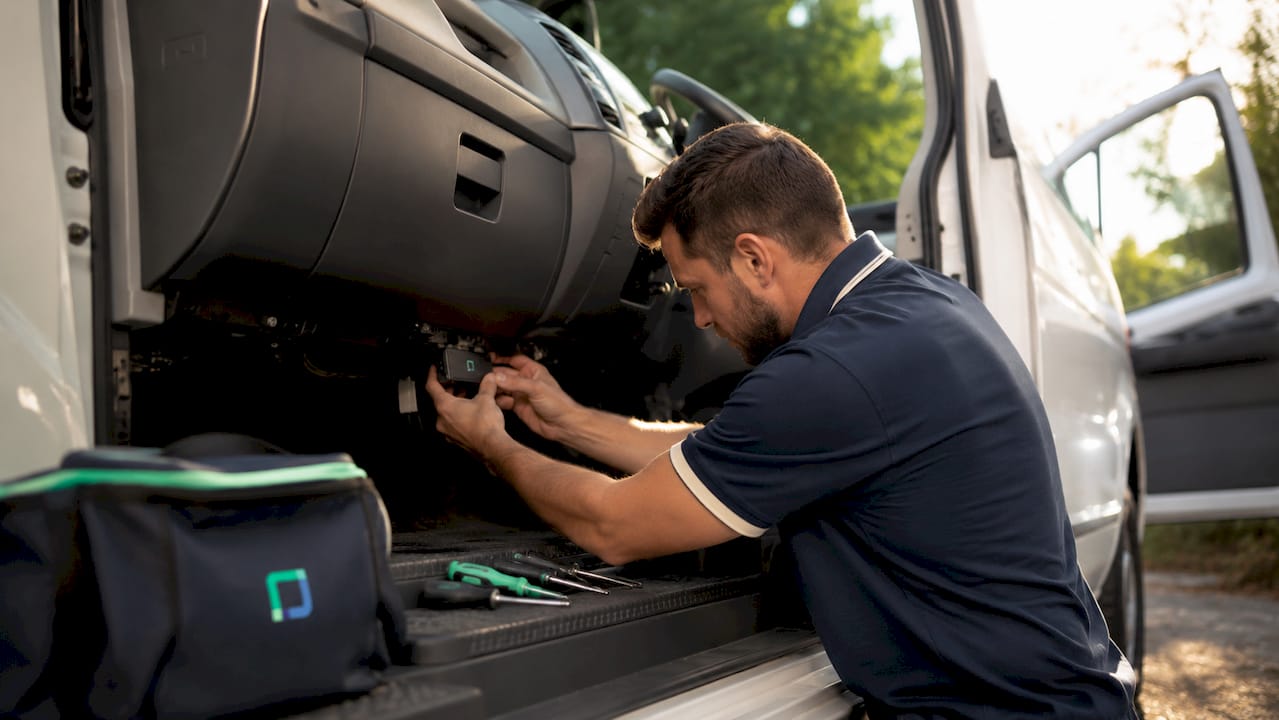
The technology behind the alert combines two detection methods. First, the GPS module monitors the device’s position continuously and flags any coordinate shift beyond a defined threshold. Second, an onboard accelerometer detects physical motion, including vibration and tilt, at the hardware level. Accelerometer-based motion detection alongside GPS coordinates forms a layered detection system that mitigates GPS jamming risks. This matters because a thief using a GPS jammer will still trigger the accelerometer.
These two signals work together. If the GPS reports a coordinate change and the accelerometer confirms physical movement, the system sends an alert. GPS trackers send live location updates and alerts upon unexpected movement or geofence breaches. The alert reaches the owner via app notification, SMS, or email, depending on the device and platform configuration.
- GPS coordinate shift detection: the system compares the current position against the last known position at regular intervals.
- Accelerometer trigger: the sensor detects vibration or tilt before the vehicle has even moved a full metre.
- Layered confirmation: both signals must align to reduce false positives caused by signal drift or minor environmental vibration.
- Alert delivery: alerts integrate with multiple channels including app push notifications, SMS, and email for timely awareness.
Pro Tip: Set your GPS polling interval to the shortest available setting during off-hours. A faster poll rate means the system catches a coordinate shift sooner, giving you more time to respond before the vehicle leaves the area.
Why tracker movement alerts are vital for theft prevention
A tracker without active alerts is a passive record-keeper. It stores location history but does nothing in real time. Alerts are essential for real-time response, transforming a tracker from a record-keeping device into an active prevention tool. The distinction is significant. A passive tracker tells you where your vehicle went after it was stolen. An active movement alert system tells you the moment it starts moving.
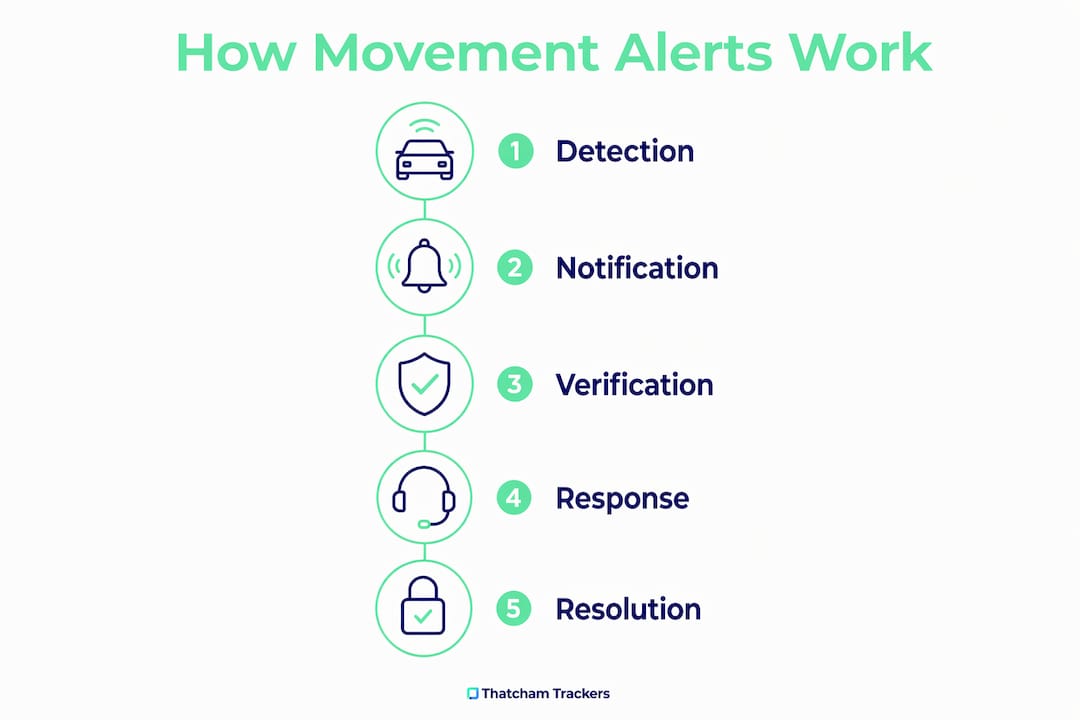
Speed of response is the critical variable in vehicle theft. Most stolen vehicles are moved quickly and often transferred to a second location within minutes. A movement alert gives you the window to call the police while the vehicle is still traceable and close to its original location. This is why movement alerts flag unauthorised activity such as weekend or after-hours use, directly aiding asset recovery.
The benefit is equally strong for high-value vehicles and assets that sit unattended for extended periods. A car parked at an airport for two weeks, or a van left on a construction site overnight, represents a high-risk scenario. Movement alerts cover these windows precisely because they operate independently of the owner’s attention.
“A tracker without active alerts is largely passive and ineffective for theft prevention. Alerts turn tracking into a proactive security tool, enabling real-time response rather than retrospective review. For anyone serious about vehicle security, movement notifications are not optional. They are the mechanism that makes the difference between recovering a vehicle and losing it.”
Thatcham Research, the UK’s central automotive risk intelligence organisation, independently tests and certifies vehicle security systems. Devices that carry Thatcham approval meet verified standards for detection and alert capability. Insurers use these ratings directly when assessing risk, which means a certified device with active movement alerts can reduce your premium as well as your theft risk. You can read more about how certified trackers support theft prevention in practice.
How to avoid false positives in tracker movement notifications
False positives are the primary reason vehicle owners disable or ignore movement alerts. Alert fatigue sets in when the system fires too often for non-threatening reasons. Incorrect or missing arming logic leads directly to this outcome, causing owners to overlook genuine theft warnings.
The solution is deliberate configuration. Most tracker platforms allow you to define working hours, off-contract periods, and stationary windows. An alert set to fire at any movement, at any time, will trigger during authorised use and quickly become noise. Configured correctly, the same system fires only when movement occurs outside the hours and locations you have defined.
Follow these steps to configure movement alerts effectively:
- Define off-hours. Set the alert to arm only during periods when the vehicle should be stationary, such as overnight or at weekends.
- Set a minimum movement threshold. Setting appropriate movement thresholds separates suspicious activity from authorised vehicle movements. A threshold of 50–100 metres filters out GPS drift and minor vibration.
- Configure a stationary confirmation window. Require the vehicle to be stationary for a defined period, such as 30 minutes, before the alert arms. This prevents alerts firing when a driver parks briefly.
- Integrate geofencing. Combining geofence and movement alert logic provides full-spectrum asset monitoring. A geofence catches boundary breaches; a movement alert catches motion during off-hours even if the asset stays within the boundary.
- Review and adjust regularly. Alert settings that work in summer may need adjustment in winter when working patterns change.
The table below summarises the key configuration parameters and their purpose.
| Configuration parameter | Purpose | Recommended starting point |
|---|---|---|
| Off-hours arming window | Arms the alert only during non-working periods | Overnight and weekends |
| Minimum movement threshold | Filters GPS drift and minor vibration | 50–100 metres |
| Stationary confirmation period | Prevents alerts on brief authorised stops | 30 minutes |
| Geofence boundary | Catches location breaches independently | Defined home or work zone |
| Alert delivery channel | Ensures timely notification | App push notification and SMS |
Pro Tip: Review your alert logs monthly. If you see more than two false positives per week, tighten your off-hours window or increase your movement threshold. Consistent false alerts are a configuration problem, not a device problem.
How vehicle owners benefit practically from movement alert systems
Movement alerts deliver practical security benefits that go beyond theft prevention. The most immediate benefit is awareness. You receive a notification the moment your vehicle moves without authorisation, regardless of where you are or what time it is. GPS trackers send live location updates and alerts upon unexpected movement, enabling swift intervention. That notification links directly to a live map showing the vehicle’s current position and direction of travel.
The scenarios where this matters most include:
- Overnight theft attempts. Most vehicle thefts occur between midnight and 5AM. A movement alert fires within seconds of the vehicle being moved, giving you time to call the police with a live location.
- Unauthorised use by a known driver. A family member or employee taking a vehicle outside agreed hours triggers the same alert. This is not just a theft prevention tool. It is an accountability tool.
- Rental and loan period monitoring. Movement alerts flag after-contract use, making them directly useful for anyone lending a vehicle and needing confirmation it is not being used beyond the agreed period.
- High-risk location protection. Vehicles parked in unfamiliar or high-crime areas benefit from heightened alert sensitivity during the period they are stationary there.
- Integration with police notification systems. Thatcham-approved trackers connect to monitoring centres that can alert police directly. Understanding how trackers alert police in the UK clarifies how this chain of response works in practice.
The app experience matters here. A well-designed tracker platform displays a live map, movement history, and alert log in one view. When an alert fires, you open the app and see exactly where the vehicle is and which direction it is heading. That information is what the police need to intercept a theft in progress.
Key takeaways
A tracker movement alert is the single most important active feature in any vehicle security system, converting a passive GPS device into a real-time theft prevention tool.
| Point | Details |
|---|---|
| Definition of movement alert | An automated notification triggered by unexpected GPS coordinate shifts or accelerometer-detected motion. |
| Active versus passive tracking | Passive trackers log history; movement alerts enable real-time response before a theft becomes a loss. |
| Layered detection technology | Combining GPS and accelerometer sensors provides failsafe detection, even when GPS signals are jammed. |
| Configuration prevents alert fatigue | Defining off-hours, movement thresholds, and geofences eliminates false positives and keeps alerts meaningful. |
| Thatcham approval adds insurance value | Certified devices with movement alerts meet standards that UK insurers use to reduce premiums and assess theft risk. |
Thatcham Trackers’ view on movement alerts and vehicle security
The shift from passive tracking to active movement alerts is the most significant development in vehicle security over the past decade. At Thatcham Trackers, the pattern seen repeatedly is that vehicle owners invest in a tracker and then leave the alert settings at their defaults. Default settings are rarely optimised for the owner’s specific vehicle use pattern. They are starting points, not finished configurations.
The uncomfortable reality is that a poorly configured movement alert is almost as ineffective as no alert at all. Alert fatigue is real. When a system fires during the morning commute because the off-hours window was not set correctly, owners stop trusting it. They mute notifications. Then the one alert that matters, the 2AM theft attempt, goes unnoticed.
The other misunderstanding is treating movement alerts as a standalone solution. They work best as part of a layered security approach. A movement alert tells you the vehicle is moving. A geofence tells you it has left a defined area. A Thatcham-approved monitoring centre tells the police. These three elements together create a response chain that a standalone alert cannot replicate. The S5 tracker monitoring features guide covers how these layers interact in certified devices.
As theft tactics evolve, particularly relay attacks and GPS jamming, the accelerometer-based backup within modern trackers becomes increasingly important. The technology is already there. The gap is in how owners configure and use it.
— Thatcham Trackers
Thatcham-approved trackers with movement alert technology
Thatcham Trackers supplies a range of Thatcham Research-certified devices, each equipped with movement alert functionality that meets UK insurance standards.
Every device in the Thatcham-approved tracker range includes GPS and accelerometer-based movement detection, configurable off-hours arming, and multi-channel alert delivery via app, SMS, and monitoring centre. Certification by Thatcham Research means insurers recognise these devices when assessing your premium. Setup is straightforward, with clear in-app configuration for movement thresholds, geofences, and alert schedules. For drivers who need a higher category of protection, the Thatcham Approved S5 range adds driver recognition and monitoring centre response as standard.
FAQ
What is a tracker movement alert?
A tracker movement alert is an automated notification sent to a vehicle owner when their GPS-tracked asset moves unexpectedly or outside pre-defined conditions. It combines GPS coordinate shift detection and accelerometer-based motion sensing to trigger real-time alerts.
How does a movement alert differ from geofencing?
A geofence alert fires when a vehicle crosses a defined geographic boundary. A movement alert fires when the vehicle moves during a defined off-hours period, regardless of whether it crosses a boundary. Combining both provides full-spectrum monitoring.
Why do I keep receiving false movement alerts?
False alerts are almost always a configuration issue. Defining off-hours windows, setting a minimum movement threshold of 50–100 metres, and requiring a stationary confirmation period before arming eliminates the majority of false positives.
Do movement alerts work if a thief uses a GPS jammer?
Yes. Modern trackers use an accelerometer alongside GPS. The accelerometer triggers alerts even if GPS data is compromised, providing a critical backup detection layer.
Does having a movement alert tracker reduce my insurance premium?
Thatcham Research-certified trackers are recognised by UK insurers when assessing theft risk. Devices that carry Thatcham approval, particularly S5 and S7 category devices, often qualify for reduced premiums. Check directly with your insurer for the specific discount applicable to your policy.